




SeatScanner of Theatre Tickets
SeatPlan
- The Essentials
- Design Roadmap
- Design System
- User Research
- Prototyping
- User Testing
- A/B Testing
- Figma
- GA4
- Hotjar
- Maze
- Agile Sprints
Overview
As a UX/UI product designer at SeatPlan, I played a pivotal role in enhancing user experiences through a comprehensive set of skills and methodologies. Throughout my tenure, I successfully integrated key elements such as design roadmaps, design systems, user research, prototyping, user testing, A/B testing, and agile sprints.
Design Process
- Led the end-to-end design process, from discovery and definition to ideation and delivery.
- Ensured a user-centric approach at every stage to meet and exceed user expectations.
- Spearheaded the creation and implementation of a comprehensive design system.
- Ensured consistency and scalability across all design elements, fostering a cohesive user experience.
- Proficiently utilized industry-standard tools such as Figma for design collaboration.
- Embraced agile methodologies, participating in sprint planning, reviews, and retrospectives.
- Collaborated seamlessly within cross-functional agile teams, adapting to changing project requirements.
User Research
- Spearheaded user research initiatives to gain deep insights into user behaviors and needs.
- GA4 and Hotjar for advanced analytics, extracting valuable user behavior insights.
- Utilized various methodologies to gather qualitative and quantitative data, informing design decisions.
- Translated research findings into actionable design solutions.
UI/UX Design
- Crafted intuitive and engaging user interfaces for both web and mobile applications.
- Applied responsive design principles, ensuring a seamless user experience across diverse devices.
- Collaborated closely with cross-functional teams, including developers and product managers, to align design goals with overall project objectives.
Prototyping, Usability Testing & Feedback
- Created wireframes, mockups, and interactive prototypes using industry-standard tools such as Figma.
- Leveraged Maze for usability testing of interactive prototypes, refining designs before implementation.
- Conducted usability testing to evaluate the effectiveness and efficiency of the designs.
- Gathered user feedback and iteratively implemented design improvements.
- Ensured continuous refinement of the user experience based on real-world user interactions.
A/B Testing
- Implemented A/B testing methodologies to analyze and optimize design variations.
- Leveraged data-driven insights to make informed design decisions, enhancing overall product performance.
Design system
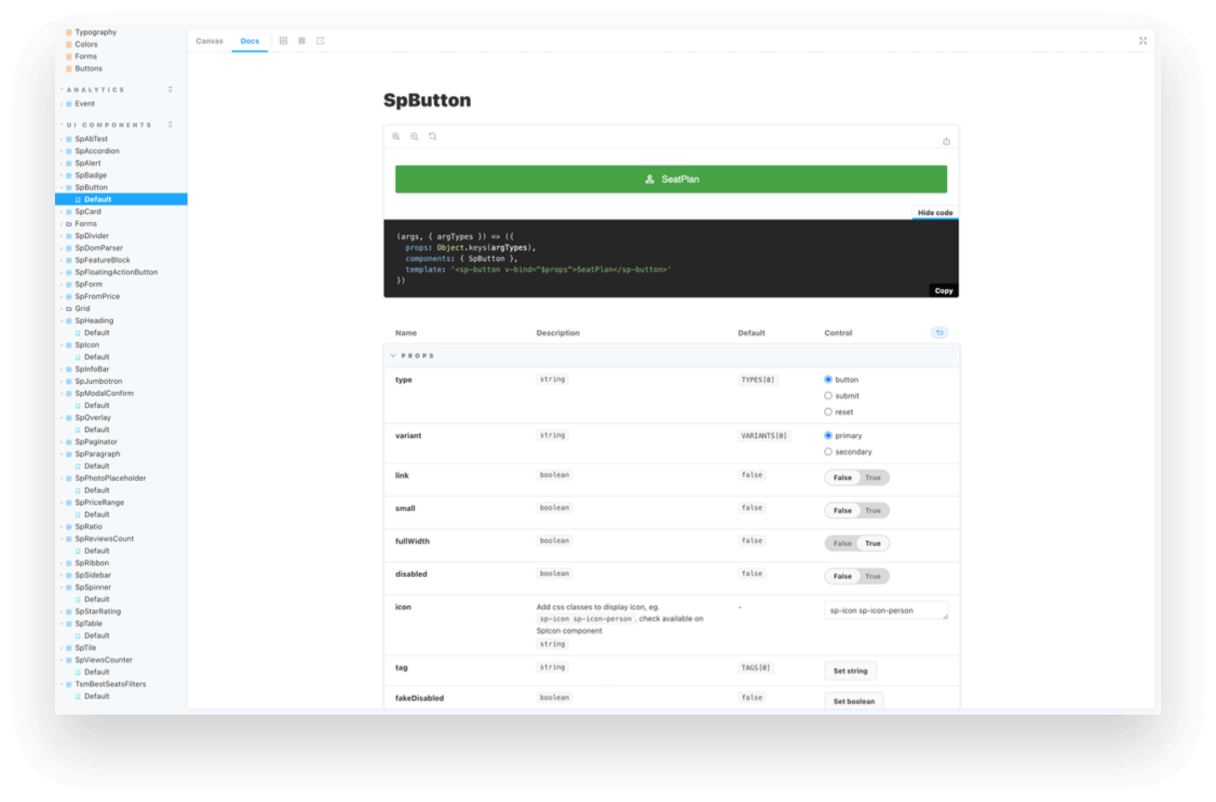
The UI had drifted. The same button existed in a dozen near identical variants across web and mobile, and every new feature meant redrawing components that already existed somewhere else. The goal was a single library, shared by design and engineering, so a screen could be assembled from parts that already had a name rather than drawn from scratch.
Built and shipped, it cut design to development handoff time by 24% and standardised the UI across web and mobile.